Come and travel Oklahoma with me.

Posts tagged ‘National Register of Historic Places Oklahoma County’

Edmond History Museum

I love history museums, I love learning about the past of an area and seeing how that area has developed over time. The Edmond History Museum is a great place to learn about the early days of Edmond Oklahoma. This is a wonderful place to spend an hour, there are exhibits that change regularly as well as permanent displays.

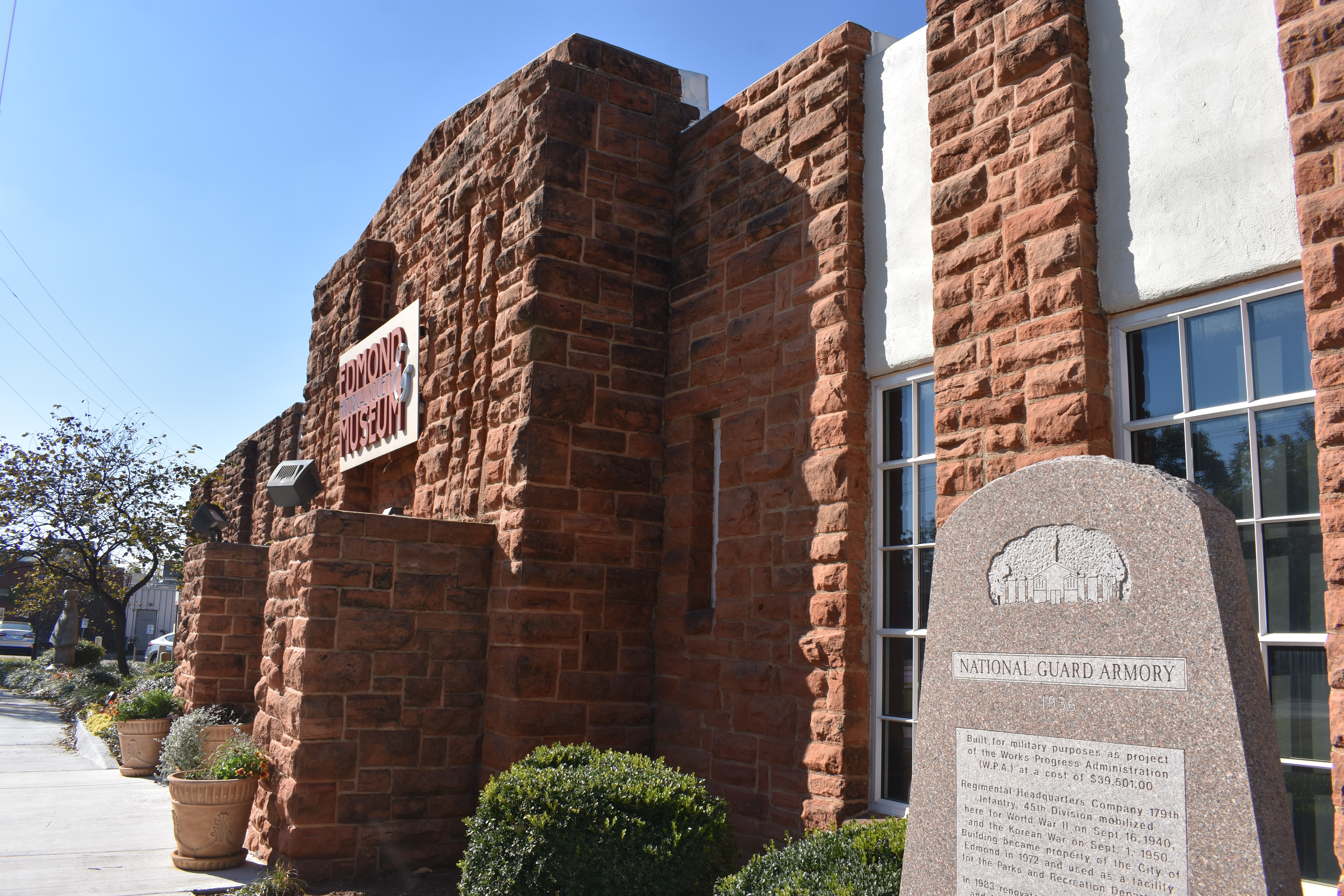
Sitting next to historic Stephenson Park on south Boulevard, the sandstone building which was built as an armory houses a small library for research along with a large exhibit space. Here you can learn about the history of Edmond. Originally a coal and watering stop along the Atcheson, Topeka and Santa Fe Railroad, mile marker 103 became Summit but was officially named Edmond in 1887. The town grew on April 22, 1889, when about 150 decided to make it their home after the land run.

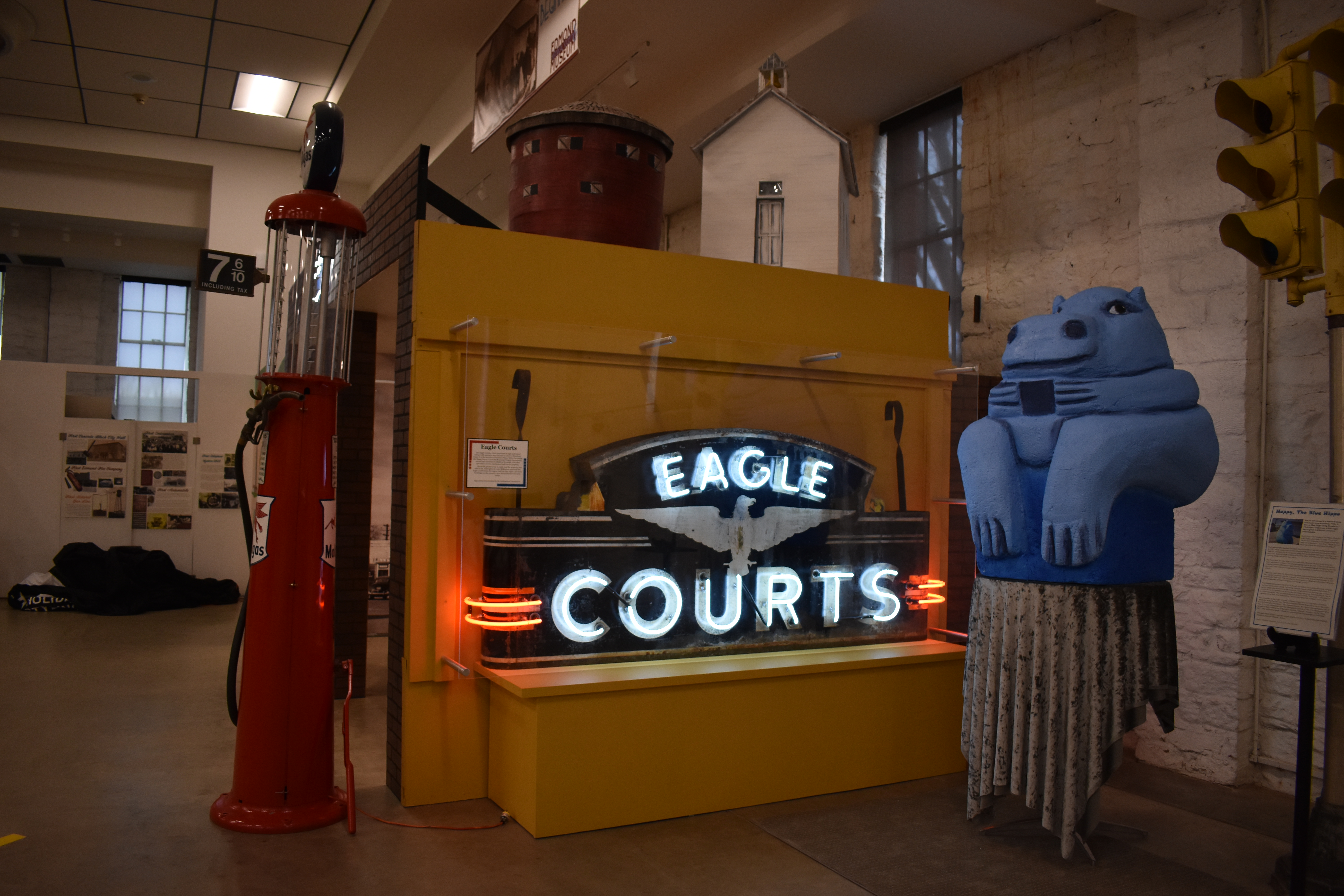
Several displays show the growth of Edmond over the years. Edmond became home to the Territorial Normal School in 1891, this helped grow the population of the small town. There are also plenty of artifacts for Route 66 lovers as well. Route 66 came right through town, coming in from the east on Second Street then turning south at Broadway heading to Oklahoma City. The small reproduction of Bradbury Station, which sat at the northwest corner of Route 66 and US 77, has many pictures of historic Route 66 buildings located in Edmond. The museum also has plenty of places for children to learn about the early days of living in Oklahoma, including a reproduction of a farmhouse.
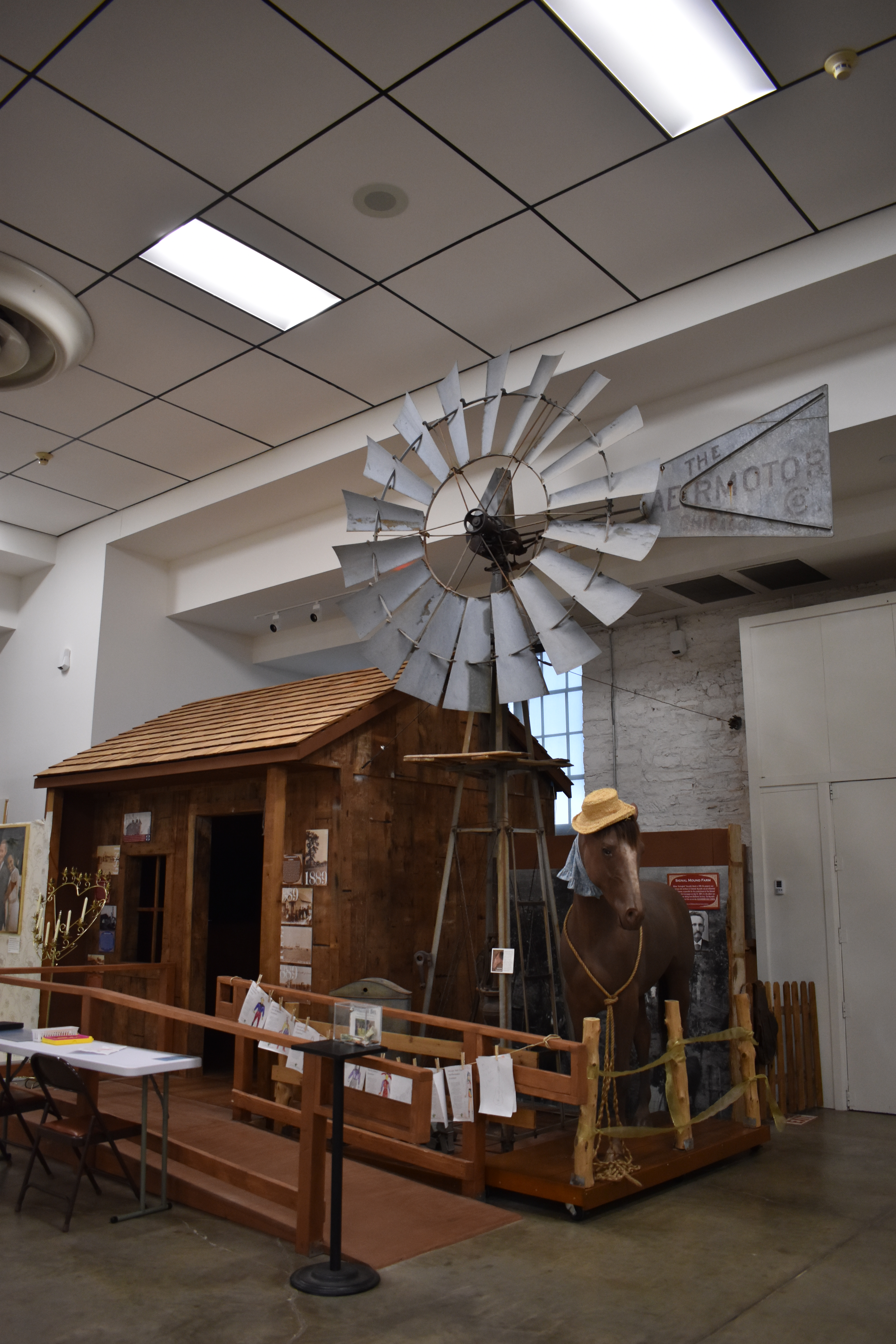
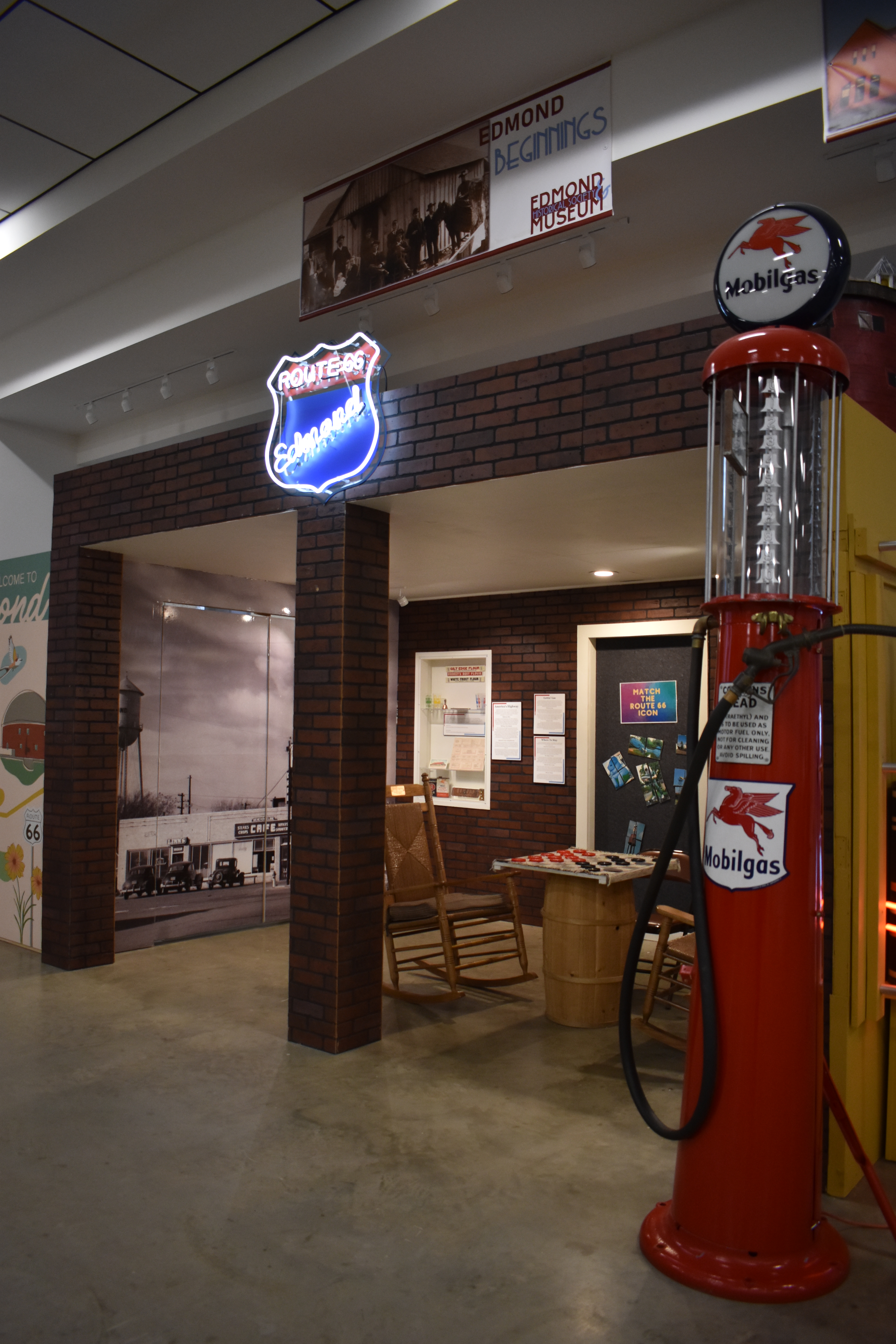
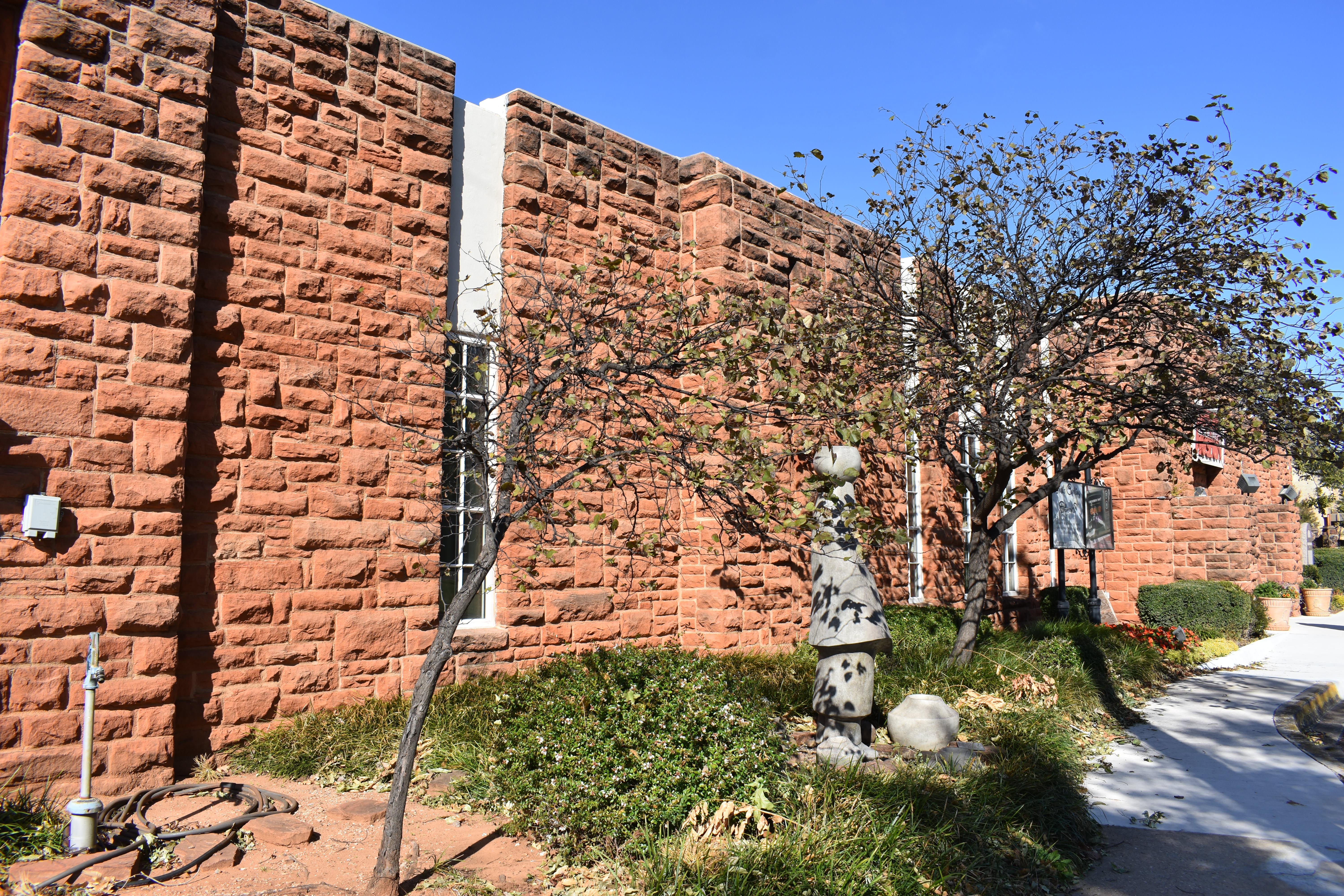
The building it’s housed in is historical as well, the Edmond Armory was built in 1936-37 on the southeast corner of Stepheson Park by the WPA (Works Progress Administration). It was home to the Headquarters Company of the 179th Infantry Unit of the 45th Infantry Division and consisted of 65 men. It was in this building that troops trained to go war in Europe during World War II. The building was used consistently by the Edmond unit of the Oklahoma National Guard until 1968 and was turned over to the city of Edmond in 1972. The historical museum didn’t occupy the space until 1983, when community members collected enough artifacts from Edmond’s past to be displayed. The armory was listed on the National Register of Historic Places in 1991.

Address: 431 S. Boulevard, Edmond.
Dr Slaughter House

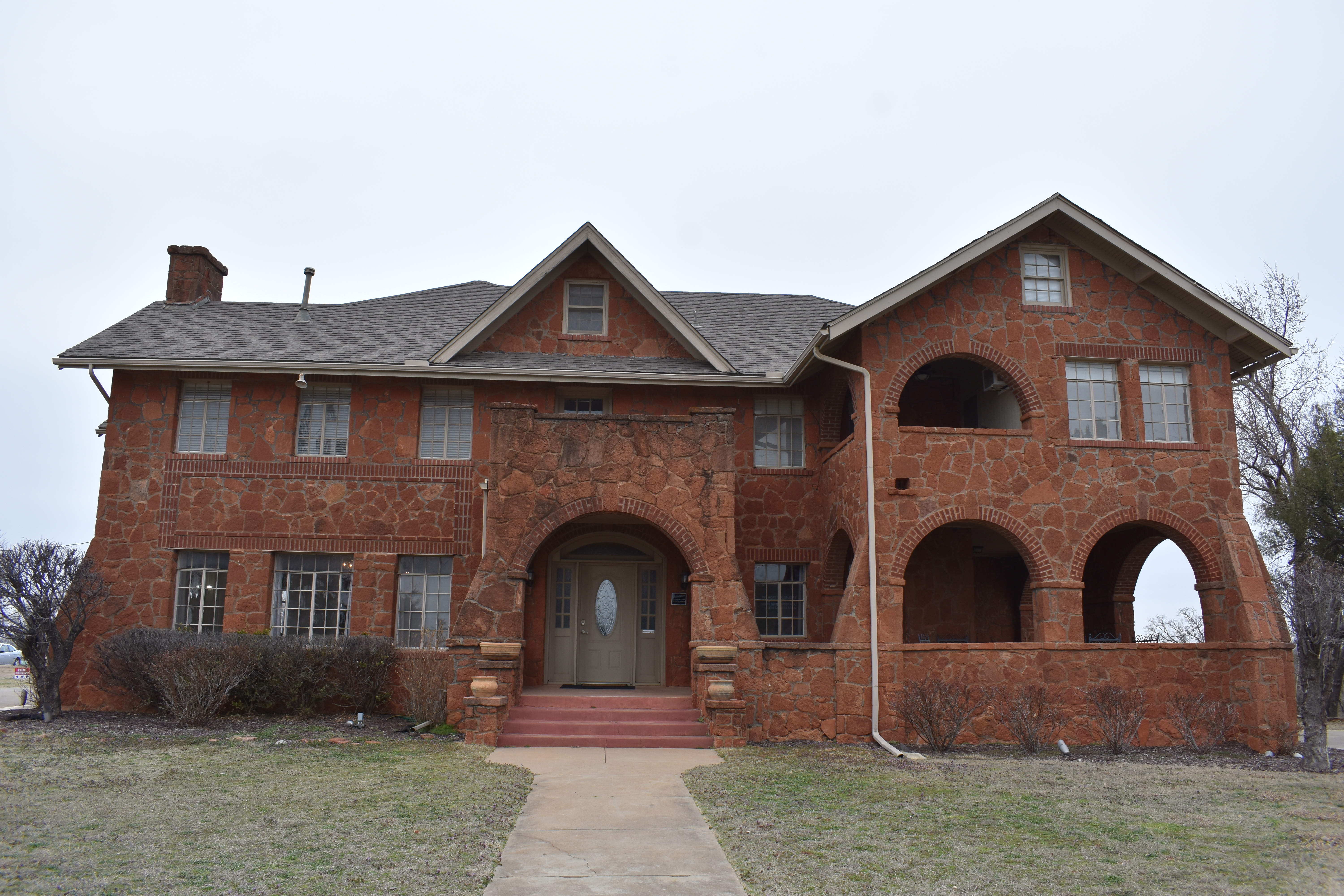
A few weekends ago, I got the pleasure of touring the 1937 mansion of Dr WH Slaughter in northeast Oklahoma City. Situated on a 7 acre piece of land on NE 50th Street, just to the east of I-35, this home is a hidden gem and home to a vital member of Oklahoma City history.

Wyatt Hardy Slaughter was born in Alabama in 1872 and attended Walden University, then later Meharry Medical College, both in Nashville, TN, graduating around 1892. He arrived in Oklahoma City in 1903and became the first African American doctor in the new city. He worked with Dr WL Haywood to build the Utopia Hospital on NE 1st and later they established the Great Western Hospital in NE Oklahoma City. He practiced medicine in his own personal office in the Deep Deuce area of Oklahoma City, placing his Slaughter Buidling at 327 NE 2nd. This 3-story building was used for retail, housing his wife’s family’s pharmacy as well as the home of the Dunbar Library. Side note, none of these buildings are extant any longer, most succumbing to the wrecking ball in the 1960’s and 1970’s. He was also active in real estate, banking, as well as oil and gas. A public servant for many years, he was on many boards and committees. After retirement in 1949, he dedicated himself to building a YMCA on the NE side as well as a new school (current Frederick Douglass High School). He passed away in 1952, buried in Trice Hill Cemetery along side family. In 1907, he married Edna Randolph, the daughter of Jefferson Davis Randolph, the first African American Teacher in in Oklahoma City who founded the first black school at California and Harvey (what is now right in the middle of the Myriad Gardens).

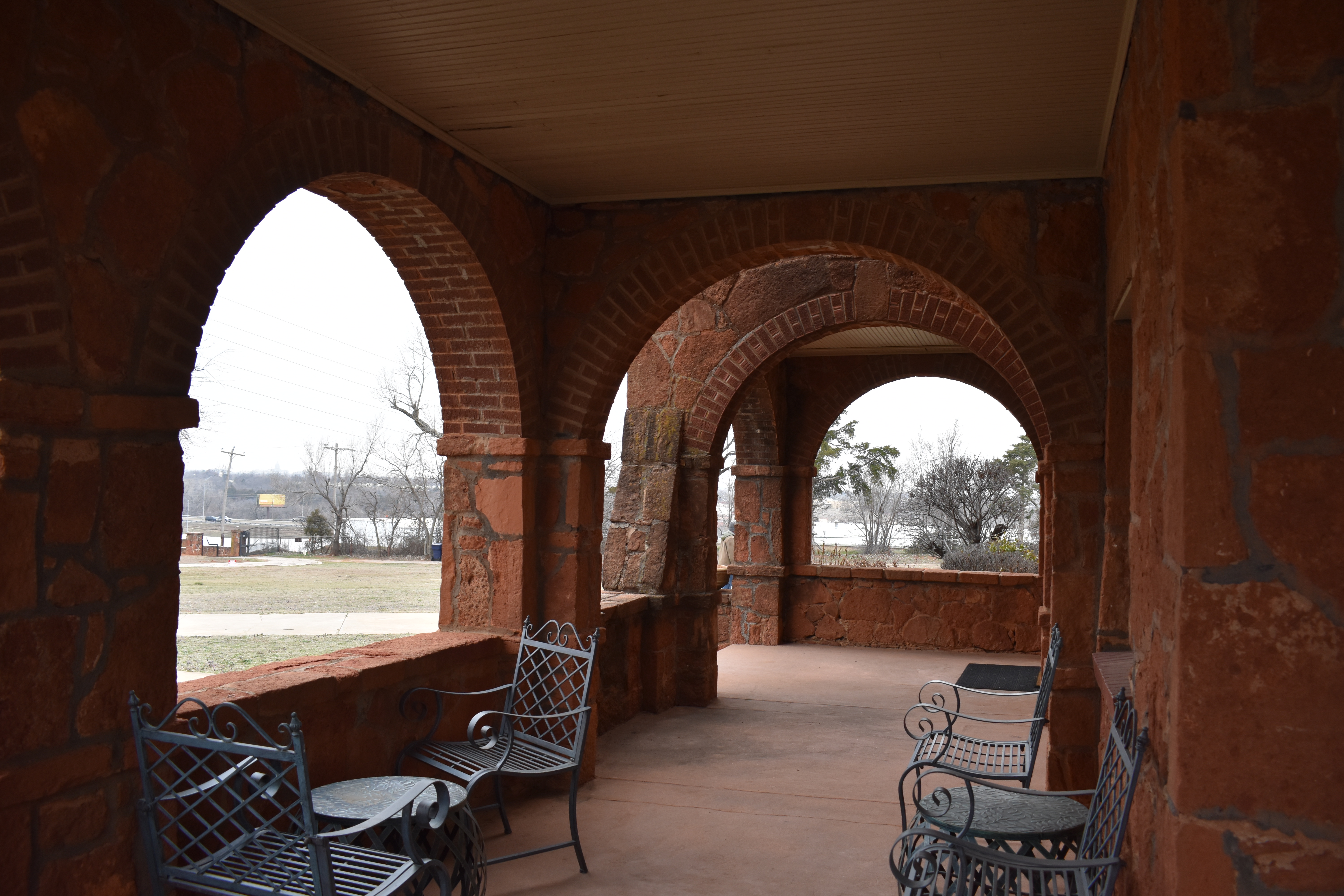
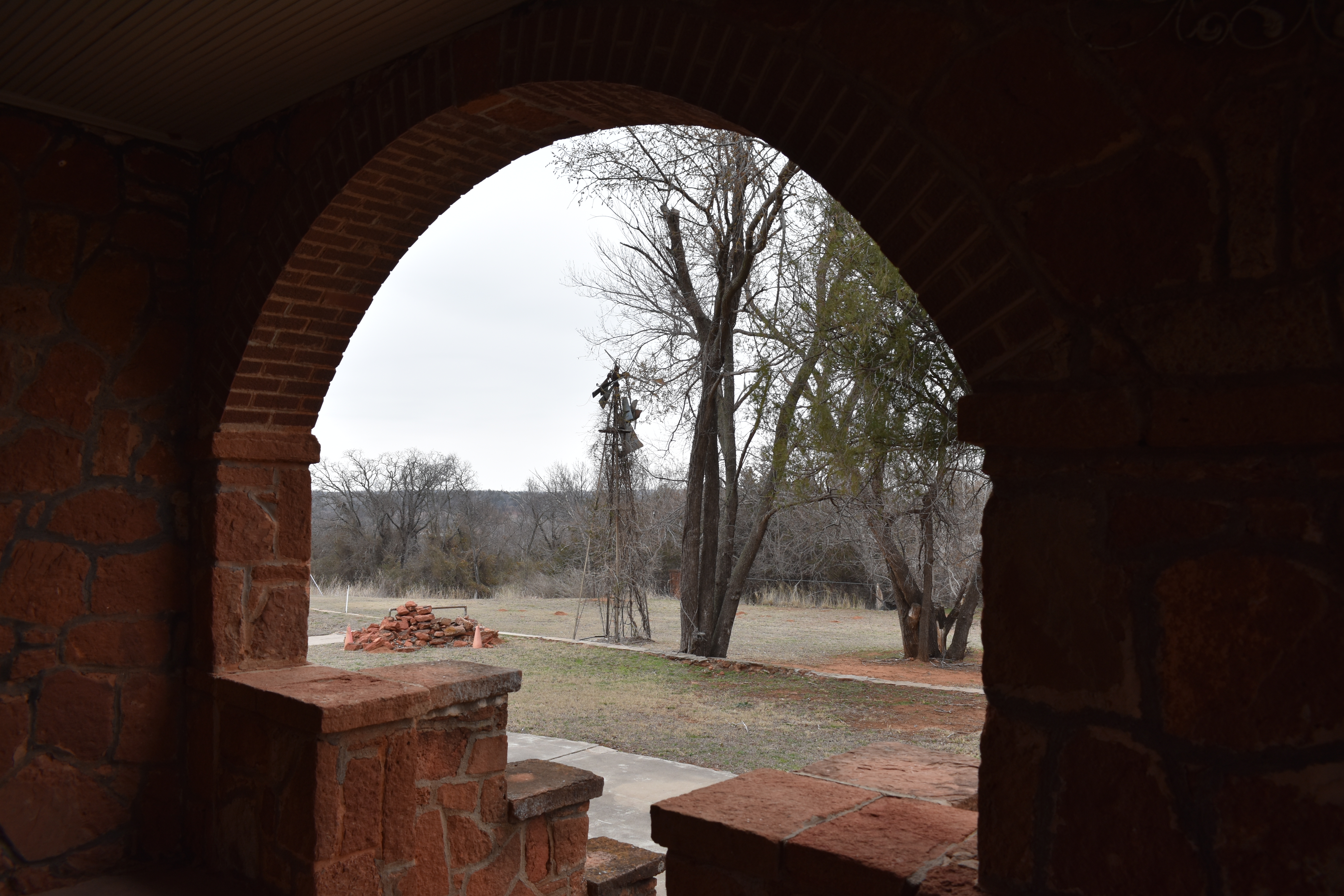
Dr Slaughter purchased a 40 acre plot on NE 50th Street near Bryant Avenue in 1916 and built this home in 1937. The drive to the house is a old meandering paved trail that gives you a beautiful view of the mansion before leading you to a parking area next to the home. Being perched on a hill, the home dominates the landscape. The large stones that have been used in the construction also draw your eye to the home. Massive arches frame the east side of the house, these also provide a beautiful view of the countryside from the porch as well.

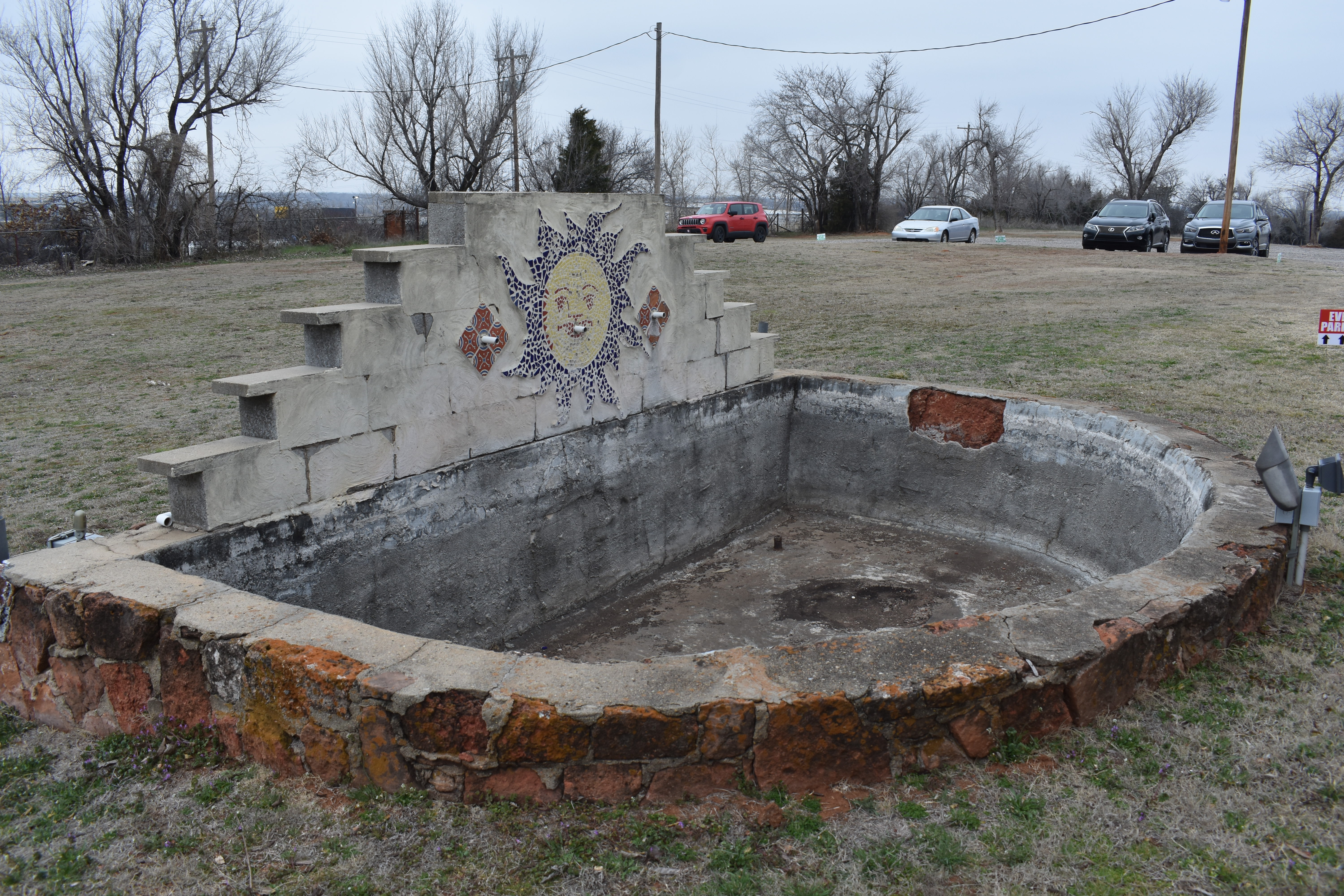
I wasn’t able to take pictures inside, but the home has been restored. After entering the home, you are in a foyer that to the left leads to the living area and to the right, a den or office, plus a hall to a bedroom suite. The dining is off the living area and also leads to a small kitchen. Upstairs are bedrooms, bathrooms, and storage areas. The two bedrooms that were open both had spacious bathrooms attached to them. One bathroom also led to an open air porch that is right above the front doors. There is a third floor but there was no access for guests. On the grounds are the remains of a well house and windmill. A functioning garage and small storage building are also original to the home and have been updated.

Over the years, parcels from the original 40 acres have been sold off. The house was empty for a time and vandals did hit the property. The home is in private ownership now and used for various events also rented out as an Airbnb. The property has also been listed on the National Register of Historic Places as of 2018. If you see a chance to visit this beautiful home, I highly recommend it.

First Christian Church

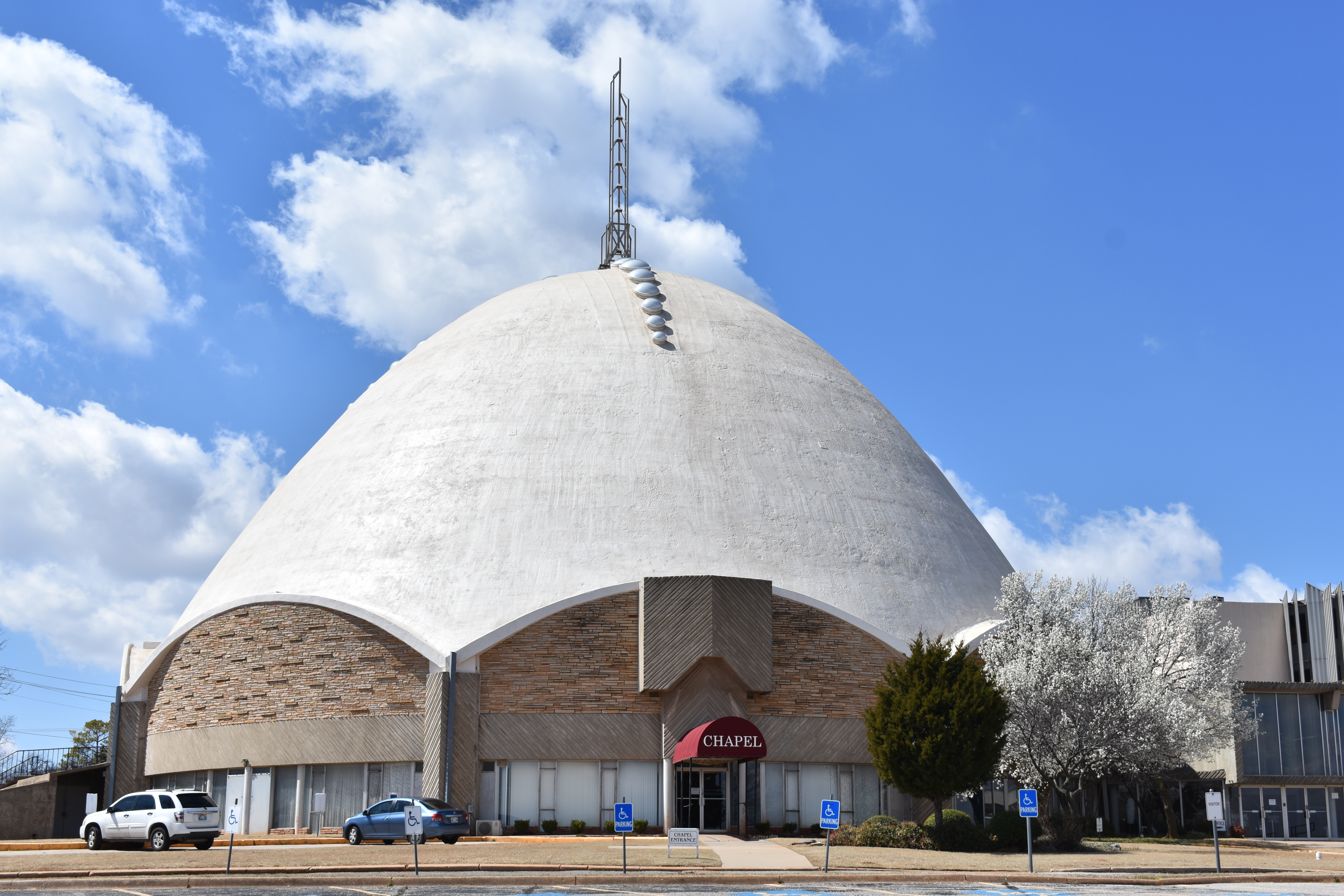
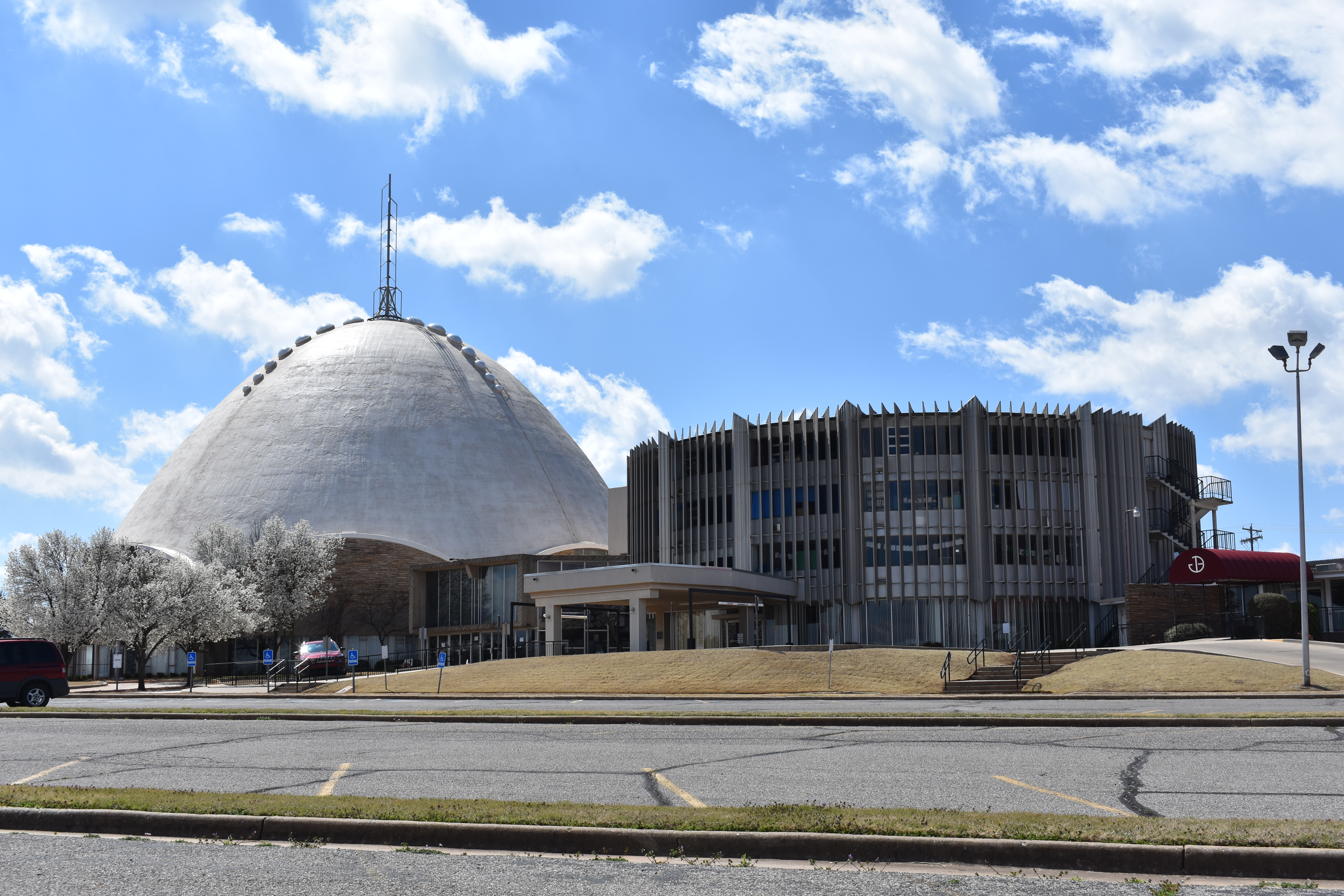
When I woke up this morning and checked my phone, I had several texts from friends and family who know I love Oklahoma history. Concerned I read the one from Big K first, “The egg church has been torn down”. I hoped that what he said wasn’t true but a quick look at my Facebook feed confirmed it. The iconic First Christian Church, the “Egg Church”, was a pile of rubble.

The First Christian Chruch was one of the first churches organized in Oklahoma City. Historical records show that their first baptismal was in June 1889. By 1910, the congregation had built a new home for their church at 1104 N Robinson after occupying a few other buildings. This would be their home for many years until the completion of the new sanctuary (this building does still stand and is on the National Register of Historic Places). In 1946, the minister of the church, Bill Alexander, helped the church buy land that had previously been part of the Edgemere Golf Club for a new location. By 1947, an outdoor auditorium had been built. The Sunday evening services were held here, “Edgemere Under the Stars”. On Christmas Day in 1953, the church announced its “Christmas present to Oklahoma City”, a new modern building that was a landmark to all who could see it, the “church of tomorrow”. The church was designed by architects R. Duane Conner and Fred Pojezny. They used concrete to make the large dome by pouring the concrete on steel mesh that was laid on a wooden form. After the concrete cured, the form was removed.

Sunday, December 23rd, 1956, the new church welcomed its first worshipers. It is said that over 2000 people attended that first service in the new sanctuary. The architecture for the time was so spectacular that the church was featured in Life magazine in 1957. This church was a center for the community for many years. It hosted events from weddings to funerals, from school concerts to the Miss Oklahoma Pageant. But most importantly it served as “The Center” during the time shortly after the Murrah Building bombing in 1995. Set up by the church, the medical examiner, and a group of funeral directors, the American Red Cross also set up in the building. It served as a safe haven from the media for those who lost loved ones in the attack. It’s rumored that Oprah Winfrey herself even went to the church to help the victims and their families. For 16 days after the bombing, it was a place of solace for those closely affected. In 2016, the First Christian Chruch put the property up for sale. The size of the congregation had shrunk and the building was becoming expensive to repair. By 2018, the first whispers of demolition started. Many tried to fight back, even trying to get the city council involved. Even though it had been placed on the National Register of Historic Places in 2011, it was at risk. A couple of other churches stepped forward to buy it but in the long run the property just needed to many repairs.

I never got to go in the building. I only got a few pictures back in 2019, never thought to go back and take more. A sad day for Oklahoma history and for those who love mid-century designs.